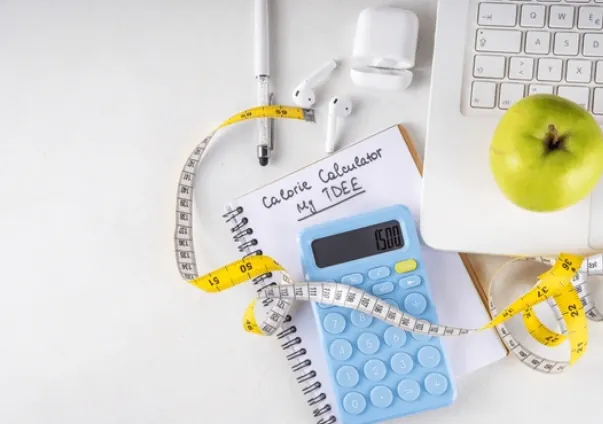
How to Use a Calorie Calculator for Weight Loss
How to Use a Calorie Calculator for Weight Loss (Complete Beginner Friendly Guide)
Starting a weight loss journey often feels confusing. One day you promise yourself you'll eat fewer calories. The next day you feel tired, hungry, and frustrated. Some days you wonder the number of calories intake needed, while other days you worry you're eating more calories than your body burns.
If this sounds familiar, you're not alone.
Most people who are trying to lose weight are not failing because they lack discipline, they are failing because they lack clarity. Many beginners wonder how many calories do you need to lose weight without feeling weak or constantly hungry.
This is where a weight loss calculator or calorie calculator becomes life changing.
Instead of guessing your daily food intake, you can determine how many calories your body actually needs. You learn how to create a calorie deficit, how to track your calorie intake, and how to move toward successful weight loss in a realistic way.
This guide will walk you through everything, step by step.
Understanding Calories: The Real Foundation of Weight Loss
Understanding the number of calories you need each day is the first step toward building an effective and sustainable weight loss plan.
Your body runs on energy. That energy comes from food, measured as calories.
A common question during a fitness journey is how many calories should you eat to lose fat while maintaining energy levels.
To start seeing results, you may need to reduce calorie intake gradually instead of making extreme diet changes.
Every day:
- You eat → you consume calories
- Your body moves → you burn more calories
If the amount of calories you eat equals the calories you burn, you maintain your current weight. If you eat fewer calories than you burn, fat loss begins. If you consume more calories, it can lead to weight gain.
This simple balance is the science behind all fat loss strategies, from keto to intermittent fasting.
What is a Calorie Calculator and Why Does It Matter?
A calculator to estimate calorie needs is an online tool that helps you:
- Estimate your daily calorie requirement
- Understand your maintenance calorie level
- Determine your daily energy intake goal
- Plan how many calories you should eat
- Decide whether to maintain or lose weight
It uses factors like:
- Age
- Height
- Activity level
- Current body weight
- Goal (fat loss, maintenance, or gain weight)
The result gives an estimate of how many calories you need daily.
This removes guesswork from your weight management plan.
Step 1: Calculate Your Daily Calorie Needs
When using a calorie calculator, you must enter accurate information.
Using a reliable calculator can help you determine your daily calorie target based on your lifestyle and activity level.
The tool will then calculate your calorie requirement and show:
- Calories you need daily to maintain weight
- Calories needed for weight loss
- Calories required for weight gain
These are based on your total daily energy expenditure, or the calories your body needs to function and move.
Understanding this number is the first step toward reach your weight loss goals.
Step 2: Create a Safe Calorie Deficit
Knowing the calories you need to maintain your current weight helps you create the right calorie deficit for fat loss.
To lose fat, you must create a calorie deficit.
This means eating fewer calories than your body requires.
A common beginner method is a caloric deficit of 500, or reducing 500 calories per day.
This supports gradual weight loss, which is more sustainable than rapid weight loss.
Extreme restriction may cause:
- Fatigue
- Cravings
- Hormonal issues
- Loss of muscle mass
Tracking the calories you need to consume daily can make your weight loss progress more predictable and manageable.
Long-term success comes from consistency, not punishment.
Step 3: Set a Realistic Daily Calorie Goal
After using the calculator, you'll get a daily calorie goal.
Your daily calorie needs based on lifestyle may change:
- Active people may require more calories
- Sedentary individuals may need to eat fewer calories
This number becomes your guide for daily energy intake and overall calorie intake may need adjustments over time.
Step 4: Start Calorie Counting and Tracking
Calorie counting is simply observing how many calories you consume each day.
By tracking your calorie intake, you become aware of:
- Hidden calories in snacks
- Portion sizes
- Emotional eating
- Whether you are eating calories than your body burns
This awareness helps you adjust your calorie intake naturally.
Apps, labels, and journals all help with calorie tracking and counting calories.
Step 5: Understand Maintenance Calories
Knowing the number of calories your body needs to maintain weight is crucial.
After fat loss, you will want to:
- Slowly consume more calories
- Learn to maintain your weight
- Avoid rebound weight gain
Maintenance calories allow you to maintain a healthy weight without constant dieting.
Creating the right balance of nutrition and calories for weight loss is essential for achieving long-term health goals.
How Exercise Helps You Burn More Calories
Movement increases the calories you burn.
This means you can:
- Eat slightly more food
- Build strength
- Improve metabolism
Muscle tissue increases resting metabolism, meaning your body may burn more calories even while resting.
This supports successful weight loss and long-term results.
Adjust Calories as Your Weight Changes
As you lose fat, your current weight decreases.
This means:
- The number of calories per day decrease
- Your daily calorie intake for fat loss may change
You should re-calculate your daily calorie needs periodically.
This ensures steady progress toward your weight loss goal.
Your activity level and metabolism influence how many calories you need per day to support steady and healthy fat loss.
Common Mistakes in a Weight Loss Journey
Many beginners struggle because they:
- Don't find out how many calories they truly eat
- Try extreme dieting for rapid weight loss
- Ignore hunger signals
- Fail to track daily food intake
- Eat many calories from processed foods
- Forget that sustainable fat loss requires patience
Avoiding these mistakes improves your chance of successful weight transformation.
How to Maintain Weight After Losing Fat
After reaching your goal, focus shifts to learning to maintain their weight.
This means:
- Increasing calories slowly
- Monitoring the calories you need per day
- Staying active
- Continuing mindful eating
Long-term health is about balance not restriction.
Practical Tips for Sustainable Weight Loss
- Aim for fewer calories than you burn consistently
- Eat enough protein to prevent muscle loss
- Stay active to burn more calories
- Sleep well to support metabolism
- Focus on habits, not perfection
These strategies support sustainable weight loss and long-term confidence. If you want expert guidance on nutrition coaching, explore the NASM Certified Nutrition Coach course at NAES.
FAQ Section
How many calories should I eat per day to lose weight?
You should eat fewer calories than your body burns. A calculator can help determine how many calories are right for your body.
Is a 500-calorie deficit safe?
Yes. A calorie deficit of 500 supports gradual weight loss without extreme hunger or fatigue.
Can I lose weight without counting calories?
Yes, but calorie counting helps you understand your habits faster and improves results.
How often should I recalculate my calorie needs?
Every few weeks or whenever your current body weight changes significantly.
Will eating too little slow weight loss?
Yes. Eating far below your calories your body needs may reduce metabolism and increase cravings.
Final Thoughts
Using a weight loss calculator is one of the smartest steps in your fitness journey.
It helps you:
- Estimate your daily calorie needs
- Create a caloric deficit safely
- Build habits around tracking your calorie intake
- Move toward gradual weight loss
- Learn how to maintain or lose weight long term
If you're trying to lose weight, remember, awareness creates control.
Start today. Calculate your daily calorie needs, set a realistic target, and stay consistent.
That's the real path to successful weight loss, confidence, and lifelong health.
Ready to turn this knowledge into a career?